How to Turn Your Local Business into an Online Business
How to Turn Your Local Business into an Online Business
In today's digital world, having only a physical shop is no longer enough for many businesses. Customers increasingly use the internet to discover products, compare prices, read reviews, and make purchases. Whether you run a retail store, clothing shop, jewellery business, restaurant, or service-based company, taking your business online can help you reach more customers and grow your sales.
The good news is that you do not need to close your physical store or make a huge investment to get started. With the right digital strategy, you can gradually transform your local business into a successful online business.
1. Create a Professional Business Website
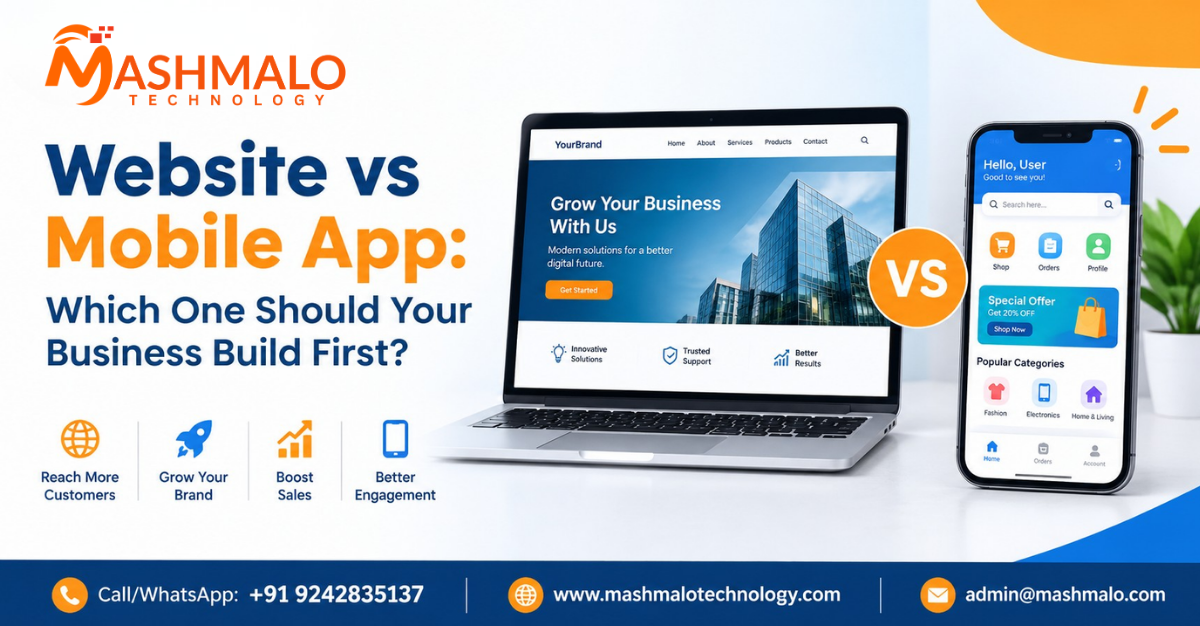
The first step towards building an online presence is creating a professional website. Your website works as your digital storefront, allowing potential customers to learn about your products and services anytime.
Include essential information such as your business name, contact details, product or service descriptions, pricing, business hours, and customer reviews. If you sell physical products, consider adding an e-commerce feature so customers can browse products, place orders, and make payments online.
Make sure your website is mobile-friendly, loads quickly, and is easy to navigate.
2. List Your Business on Google
A Google Business Profile helps local customers discover your business through Google Search and Google Maps. Add accurate business information, your address or service area, contact number, opening hours, photos, and website link.
Encourage satisfied customers to leave genuine reviews and respond professionally to their feedback. This can improve your business's visibility in local searches and help build customer trust.
3. Use Social Media Marketing
Social media platforms such as Instagram, Facebook, and YouTube can help you connect with potential customers and promote your offerings.
Share product photos, short videos, customer testimonials, special offers, and useful information related to your industry. Post consistently and respond to customer questions and messages.
You can also use targeted advertising to reach people in specific locations or audiences. Start with a manageable budget and track which campaigns generate meaningful enquiries or sales.
4. Set Up Online Payments and Delivery
Make purchasing convenient by offering trusted online payment methods, such as UPI, payment gateways, or other suitable options. If you sell physical products, arrange reliable packaging, shipping, and order tracking.
For local customers, you might also provide home delivery or store pickup. Clearly communicate delivery charges, estimated delivery times, return policies, and payment terms to avoid confusion.
5. Optimise Your Business for Search Engines
Search engine optimisation (SEO) helps people find your website when they search online for products or services you offer.
Use relevant keywords in your website content, page titles, headings, and product descriptions. For example, a local jewellery store could create pages targeting searches for jewellery shops in its service area.
Publish helpful blog posts that answer customer questions, and keep your website information accurate. SEO takes time, but consistent effort can help attract relevant visitors over the long term.
6. Build Strong Customer Relationships
Online growth depends on more than attracting visitors. You also need to keep customers satisfied and encourage repeat purchases.
Respond promptly to enquiries, provide clear product information, and offer reliable customer support. With appropriate consent, you can use email or WhatsApp to share updates, new arrivals, and special offers.
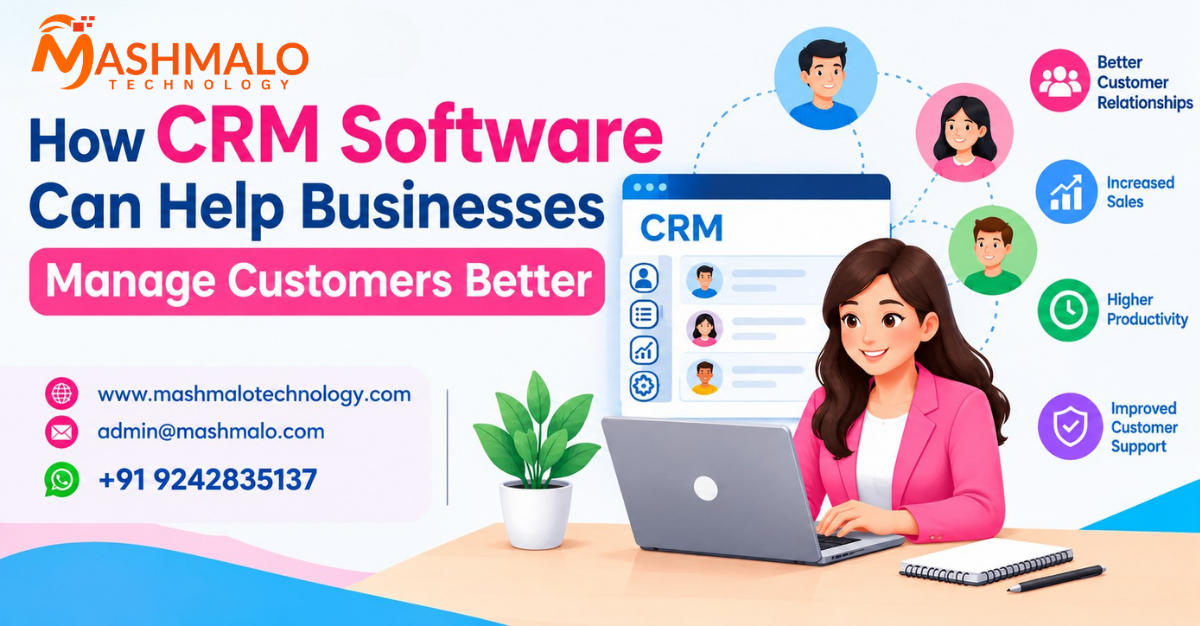
Customer relationship management (CRM) software can help you organise enquiries, track follow-ups, manage customer information, and improve communication.
7. Track Performance and Improve
Monitor website visits, customer enquiries, conversion rates, sales, and advertising costs. These insights help you understand what works and where improvements are needed.
Start with a few manageable steps, measure the results, and gradually invest in the channels that deliver value.
Conclusion
Turning your local business into an online business is an opportunity to reach a wider audience, improve customer convenience, and create new revenue streams. By building a website, strengthening your social media presence, enabling online payments, and focusing on customer satisfaction, you can establish a strong digital presence.
Start small, stay consistent, and keep improving your online strategy as your business grows.